
Thermal Patterns That Reveal Developing Concerns
Infrared Electrical Testing in Sanford for facilities with significant electrical demands and preventative maintenance goals
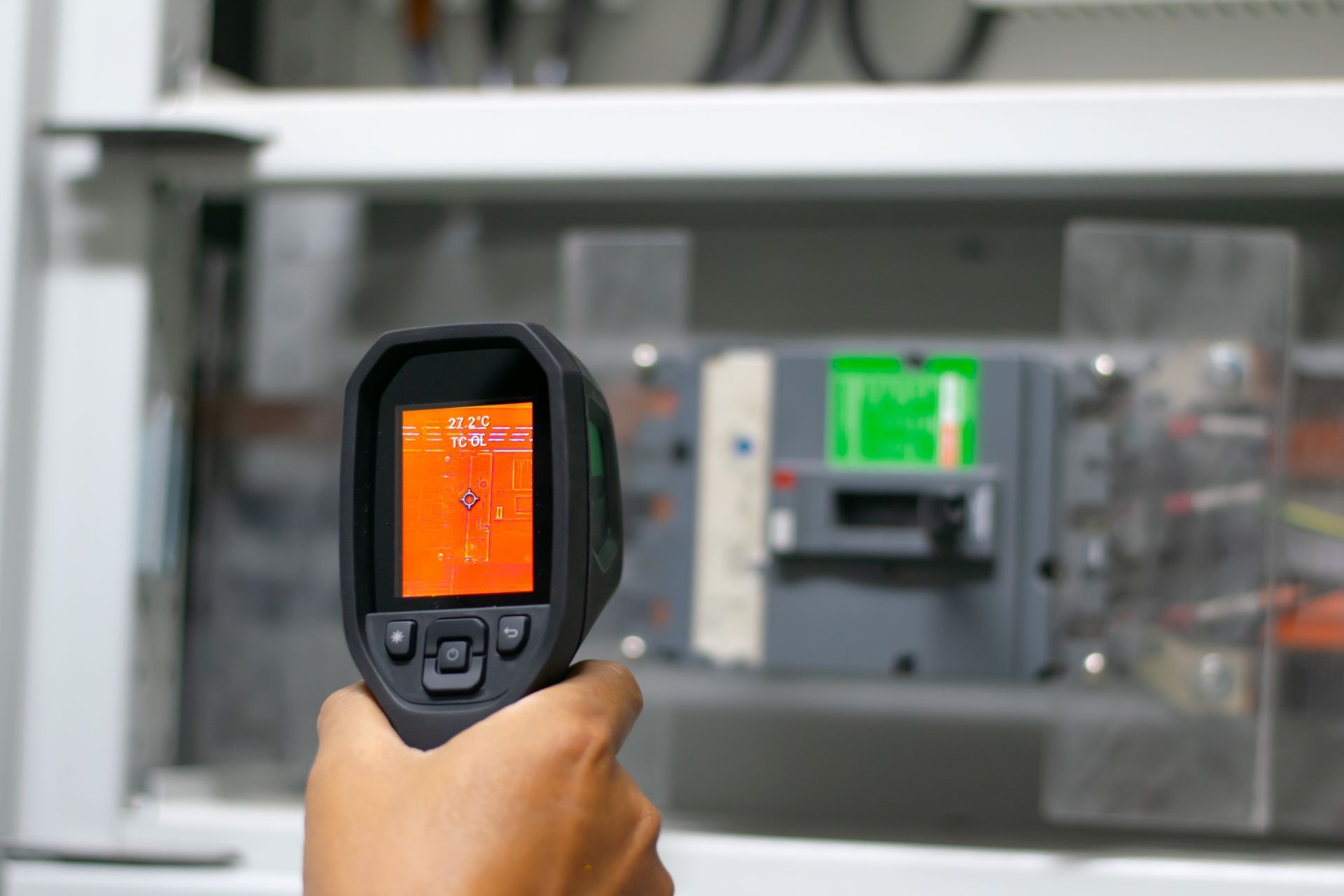
Abnormal heat patterns at electrical connections indicate resistance, which increases over time as terminals loosen or corrosion develops at contact surfaces. These thermal anomalies often remain invisible during visual inspection but signal concerns that can eventually lead to equipment failure or operational disruption. On-Pointe Electric LLC performs infrared electrical testing in Sanford and neighboring communities in Maine and New Hampshire using thermal imaging to evaluate commercial and industrial electrical systems for heat patterns that suggest developing problems. This diagnostic approach captures temperature data at panels, disconnects, and distribution equipment while systems operate under load, providing insight into component condition that guides maintenance and repair planning.
Testing involves scanning energized electrical equipment with infrared cameras that detect temperature differences across connections, breakers, and conductors. Hot spots indicate areas where resistance has increased due to loose connections, damaged components, or imbalanced loads. While thermal evaluation identifies many developing concerns, it cannot detect every possible fault, especially issues unrelated to heat generation or located behind shielding that blocks infrared radiation.
Arrange infrared testing to evaluate your electrical systems during normal operating conditions and identify concerns before they escalate into failures.
What Thermal Evaluation Reveals About System Health
The process begins with accessing electrical equipment during operation, since meaningful thermal data requires the system to carry its typical load. Thermal images are captured at distribution panels, transformer connections, motor control centers, and other critical points. Each image is compared against baseline expectations, with significant temperature differentials flagged for further investigation or repair.
After testing is completed, you'll receive a report documenting thermal findings, identifying locations where elevated temperatures were detected, and recommending follow-up actions based on the severity of observed patterns. You'll see exactly which connections warrant tightening, which components show signs of internal failure, and which areas of your electrical system operate within normal thermal ranges.
Infrared testing is most effective when integrated into a regular maintenance schedule. Single evaluations identify current concerns, but periodic testing reveals trends over time and tracks whether corrective actions have resolved thermal anomalies.
Common Questions About This Service
Facility managers considering thermal evaluation typically want to understand how the technology works and what it reveals about their electrical systems.
How does infrared testing detect electrical problems?
Infrared cameras capture temperature differences across electrical components, revealing hot spots where increased resistance generates abnormal heat, typically caused by loose connections, corroded terminals, imbalanced phases, or components beginning to fail internally.
What's the advantage of thermal imaging over visual inspection alone?
Many developing electrical concerns produce no visible indicators until failure occurs, but elevated temperatures at connection points often precede failures by weeks or months, allowing intervention during planned downtime rather than after an outage disrupts operations.
When is the best time to perform this testing?
Testing should occur while electrical systems operate under representative load, since thermal patterns only appear when current flows through connections and components, making normal business hours or peak production periods the most revealing times for evaluation.
Why do facilities in Sanford with winter heating loads benefit from thermal testing?
Cold ambient temperatures in northern New England create greater temperature contrast between normally operating components and those with resistance problems, making infrared evaluation particularly effective during colder months when thermal anomalies stand out more clearly.
What happens after hot spots are identified?
Documented findings include thermal images with temperature measurements and recommendations for corrective action, ranging from immediate attention for severe anomalies to scheduled maintenance for moderate concerns, allowing you to prioritize repairs based on actual risk rather than guesswork.
Thermal evaluation delivers actionable data that supports proactive maintenance and helps avoid unplanned downtime. On-Pointe Electric LLC can schedule testing around your facility's operational schedule and provide findings that integrate into your maintenance planning process.