
Systems Built for Demanding Operating Environments
Industrial Electrical Services in Sanford for facilities requiring equipment connections, machinery support, and reliable power distribution
Industrial facilities operate with electrical demands that far exceed typical commercial or residential requirements, from three-phase motor loads and high-current equipment circuits to control systems managing automated processes. On-Pointe Electric LLC provides industrial electrical services in Sanford, Biddeford, Kennebunk, and surrounding areas, handling installations, troubleshooting, system upgrades, and equipment connections for manufacturing plants, warehouses, and industrial operations throughout Maine and New Hampshire. These environments require electrical infrastructure that tolerates continuous operation, withstands vibration and temperature extremes, and supports equipment modifications without disrupting production schedules.
Industrial electrical work includes installing motor starters and disconnects, running conduit for machinery additions, upgrading transformers to accommodate increased loads, and maintaining connections that experience thermal cycling and mechanical stress. Decisions about conductor sizing, conduit routing, and protective device coordination directly affect whether equipment operates reliably or experiences nuisance trips that halt production.
Arrange an on-site evaluation to assess electrical infrastructure and identify requirements for equipment additions or system upgrades.
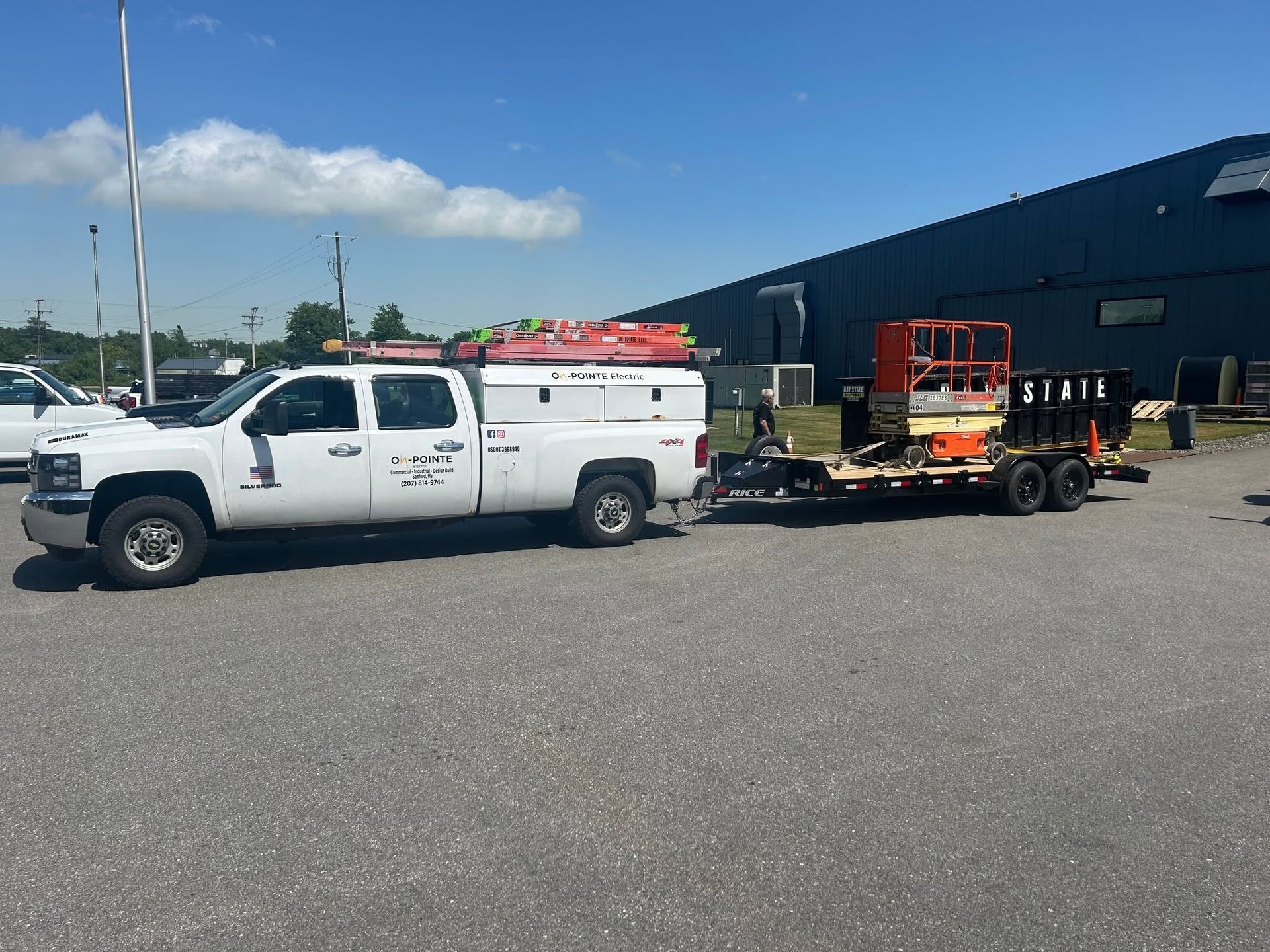
How Industrial Electrical Work Addresses Operational Demands
Installing electrical systems in industrial settings involves running rigid metal conduit through areas exposed to physical impact, moisture, and temperature fluctuations, then pulling conductors rated for continuous duty cycles that commercial-grade wire cannot sustain. Work also includes coordinating circuit protection so faults in one section of the facility do not cascade into unrelated areas, which requires calculating fault current levels and selecting breakers or fuses that isolate problems without creating facility-wide outages.
After upgrades or new installations are completed, machinery receives consistent voltage under load, motor starters function without overheating, and circuit protection responds appropriately to fault conditions rather than nuisance tripping during normal startup surges. Organized installations also improve troubleshooting speed when equipment malfunctions occur, as clearly labeled panels and documented circuit paths allow maintenance personnel to isolate and resolve issues quickly.
Industrial electrical services extend beyond initial installations to include ongoing maintenance that identifies loose connections, worn contactors, or degraded insulation before these conditions cause equipment failures. Preventive work matters in industrial environments where unplanned downtime carries significant costs and where electrical problems can create safety hazards for operators working near energized machinery.
Common Questions About This Service
Facility managers and plant operators in Maine and New Hampshire industrial settings often ask specific questions about electrical work before scheduling service.
What makes industrial electrical work different from commercial installations?
Industrial environments require heavier conductors to handle sustained high-current loads, rigid conduit to protect wiring from mechanical damage, and protective devices coordinated to isolate faults without affecting unrelated equipment. Installations must also account for vibration, temperature extremes, and the need to access circuits during maintenance without shutting down entire production areas.
How is electrical work coordinated around production schedules?
Installations and upgrades are planned during scheduled maintenance windows, shift changes, or production downtime so essential equipment remains operational. For projects requiring extended outages, work is staged to complete sections independently, allowing portions of the facility to return to operation while other areas undergo electrical modifications.
Why do motor circuits require specific protective devices?
Motors draw significantly higher current during startup than during normal operation, so circuit protection must tolerate inrush without nuisance tripping while still responding to actual fault conditions. Properly sized starters and overload relays prevent motor damage from phase imbalances or prolonged overload conditions that standard breakers cannot detect.
What does troubleshooting industrial electrical issues involve?
The process includes measuring voltage and current at multiple points in the circuit, inspecting connections for signs of overheating or corrosion, testing motor windings for ground faults or phase imbalances, and reviewing protective device settings to confirm they match equipment specifications. Diagnostic work identifies whether problems stem from electrical faults, mechanical issues affecting motor load, or environmental factors like moisture intrusion.
How do Maine and New Hampshire climate conditions affect industrial electrical systems?
Temperature swings cause expansion and contraction in metal enclosures and conduit, which can loosen terminations over time if not properly torqued during installation. Humidity levels also promote corrosion on exposed terminals and connections, particularly in facilities without climate control, making regular inspection and maintenance critical for long-term reliability.
On-Pointe Electric LLC handles industrial electrical work for facilities across the region, from equipment installations to system troubleshooting that minimizes production disruptions. Contact the team to discuss electrical requirements for your industrial facility and receive a project-specific assessment.