
Electrical Work for Life-Safety Systems
Fire Alarm Electrical Services in Sanford for commercial buildings and industrial facilities requiring dependable system operation
Fire alarm systems monitor occupied spaces and alert building occupants to evacuate when smoke, heat, or manual activation occurs, but these critical systems function only when electrical connections deliver stable power to control panels, notification devices, and detection equipment. Electrical failures compromise life-safety systems regardless of how sophisticated the fire alarm components may be. On-Pointe Electric LLC provides fire alarm electrical services in Sanford, Rochester, Portsmouth, and surrounding areas, handling power distribution, circuit installations, and electrical connections for commercial buildings and industrial facilities throughout Maine and New Hampshire where dependable system operation directly affects occupant safety.
This electrical work includes installing dedicated circuits to fire alarm panels, running conduit for notification device wiring, providing power to remote annunciators, and integrating backup battery systems that maintain system operation during power outages. Proper installations follow electrical code requirements specific to fire alarm circuits, including separation from other building systems and protection against physical damage.
Request a consultation to review fire alarm electrical requirements and identify circuit needs for your building.
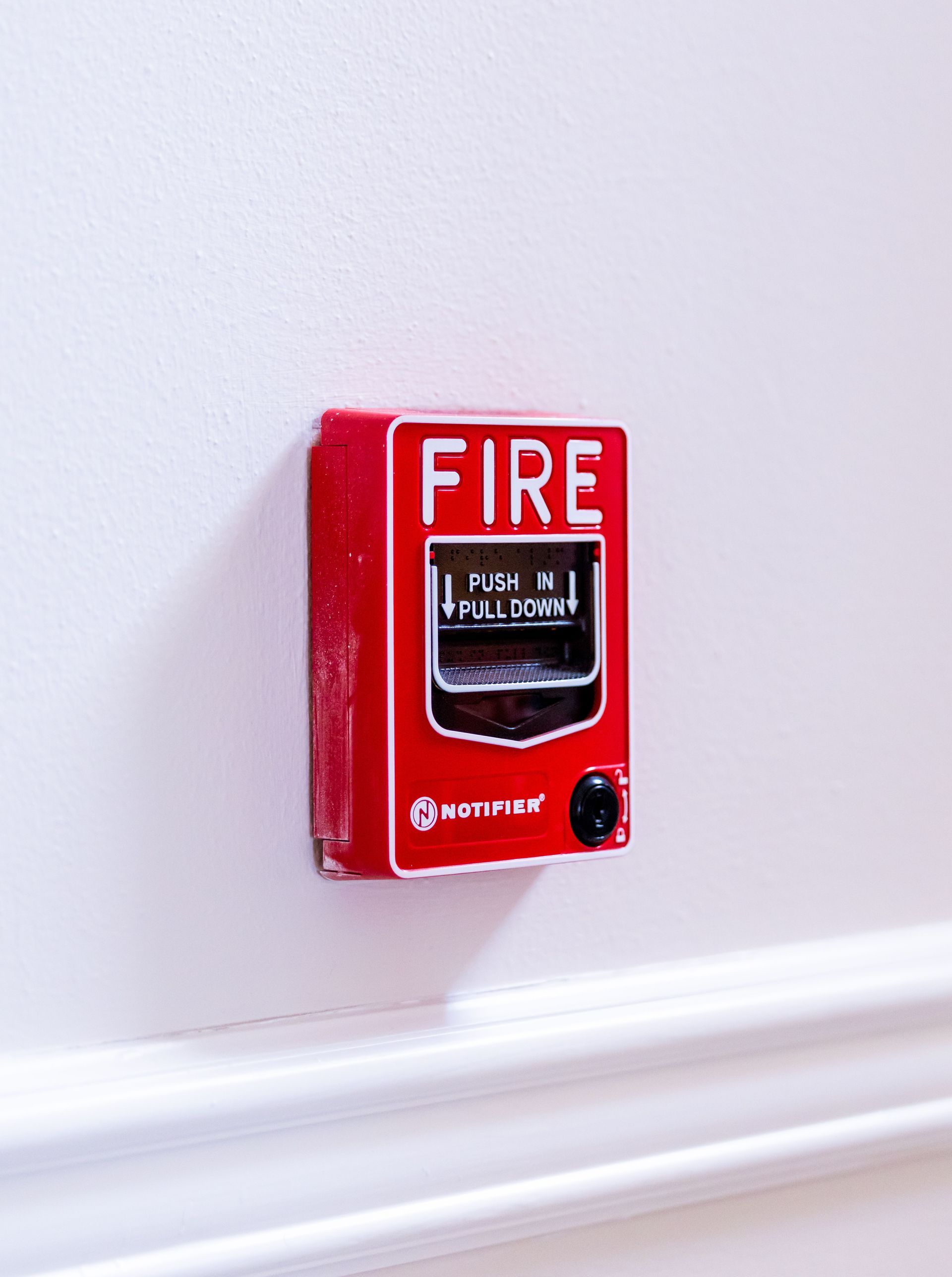
Why Reliable Electrical Connections Matter for Fire Alarm Systems
Fire alarm electrical installations require running conduit and conductors that remain isolated from other building systems to prevent electrical faults in unrelated circuits from affecting life-safety equipment. Work involves installing dedicated circuits rated for continuous operation, terminating conductors at fire alarm panels according to manufacturer specifications, and testing voltage delivery under load to confirm adequate power reaches all system components. Each installation accounts for backup power requirements that keep detection and notification devices operational when normal electrical service is interrupted.
After electrical work is completed, fire alarm panels receive stable power without voltage fluctuations that cause system faults, notification devices operate at specified decibel levels throughout the building, and backup batteries maintain full system functionality during extended outages. Properly executed electrical installations also reduce false alarms caused by intermittent power delivery or ground faults affecting detection circuits.
Fire alarm electrical services extend beyond initial installations to include testing circuits after building modifications, replacing aging conductors in older facilities, and verifying that backup power systems continue meeting capacity requirements as equipment is added or replaced. Ongoing electrical maintenance supports code compliance and prevents failures that could compromise occupant notification during actual fire events.
What Property Owners Usually Ask
Building owners and facility managers responsible for life-safety systems often have specific concerns about fire alarm electrical work.
What makes fire alarm electrical circuits different from standard building wiring?
Fire alarm circuits must remain operational during emergencies when other building systems may fail, requiring dedicated conduit routing that protects wiring from physical damage and electrical isolation that prevents faults in other circuits from affecting life-safety equipment. Installation standards also mandate specific conductor types and connection methods designed to maintain circuit integrity under adverse conditions.
How does backup power integration work for fire alarm systems?
Electrical installations include connections between fire alarm panels and backup battery systems, with properly sized conductors that handle charging current without voltage drop and protective devices that isolate battery circuits during fault conditions. Testing confirms that batteries receive adequate charging voltage and that the system transitions smoothly to backup power when normal electrical service is interrupted.
Why do industrial facilities require specific fire alarm electrical considerations?
Industrial environments often contain equipment generating electromagnetic interference, high ambient temperatures that affect conductor ratings, and physical hazards requiring more robust conduit installations than typical commercial settings. Electrical work in these facilities accounts for environmental factors that could compromise circuit integrity or affect system performance during critical situations.
What happens during fire alarm electrical troubleshooting?
The process includes testing voltage at the fire alarm panel and remote device locations, measuring circuit resistance to identify high-resistance connections or degraded conductors, inspecting terminals for corrosion or loose connections, and verifying that ground fault detection circuits function correctly. Diagnostic work determines whether system faults stem from electrical issues, failing components, or environmental factors affecting wiring performance.
How do Maine and New Hampshire climate conditions affect fire alarm electrical systems?
Humidity promotes corrosion on exposed terminals and connections, while temperature cycling in unconditioned spaces causes expansion and contraction that can loosen terminations over time. Electrical installations in this region benefit from enclosures that protect connections from moisture intrusion and terminal torque values verified periodically to account for thermal cycling effects.
On-Pointe Electric LLC handles fire alarm electrical work for occupied buildings throughout the region, from initial circuit installations to troubleshooting that maintains life-safety system reliability. Call (207) 814-9744 to discuss fire alarm electrical requirements for your facility and receive a detailed service assessment.